
Offside in football is a pivotal rule that frequently shapes the game on the pitch. This regulation demands sharp observation from the officiating team throughout the match. Having a thorough understanding of this rule helps members easily keep pace with the thrilling developments on the field. Explore this insightful article from PHTAYA to sharpen your sports knowledge today.
What is offside in football?
The basics of the offside rule explained
In reality, offside in football refers to an invalid position held by an attacking player. This occurs when a player moves past the opponent’s defensive line before the ball is played by a teammate. This strict regulation was established to maintain fairness for both teams. As a result, strikers cannot simply wait near the goal to score easy goals.
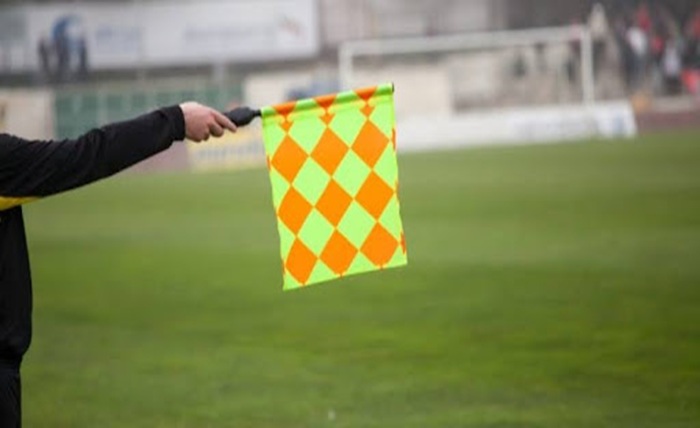
When an offside in football violation occurs, the assistant referee immediately raises their flag to signal for the play to stop. The head referee then blows the whistle and awards possession to the defending team. The defending side receives an indirect free kick at the exact spot where the player was caught in the offside position. This rule requires strikers to be incredibly skilled in timing their runs perfectly for a precise breakaway
To avoid committing the offside rule, players need seamless coordination between the passer and the receiver. They must constantly monitor the position of the opposing defenders to intelligently time their runs. A single rushed moment can easily ruin a promising attack in front of the goal. Consequently, sharp tactical awareness is always held in higher regard by experts than pure running speed.
Conditions for an offside foul by the referee
Basic conditions for a referee to call an offside foul
Referees must strictly follow specific conditions to accurately call an offside in football violation. The decision to blow the whistle depends entirely on both the player’s position and their actual involvement in the play. The distance between the striker and the opposing defender is the key focus that must be carefully observed on the pitch. Passionate fans should master this information to analyze match situations objectively.
The role and position of the attacking player
The current position of the attacking player is the fundamental factor that constitutes an offside in football violation. The player must be in the opponent’s half and closer to the goal line than the ball. Simultaneously, they must have moved past the second-to-last defender, counting from the goal line. If they are level with the second-to-last defender, the situation is considered perfectly valid.
The moment the ball is played
The moment of consideration for an offside violation does not occur when the player receives the pass from their teammate. Instead, the critical moment is when the ball just leaves the foot of the passer. A sprint initiated too early before the pass is made will put the attacking player in an offside position. Players need perfect synchronization in every movement to optimize the strength of the attack
Active involvement in the play
An offside in football violation is only called when the individual truly interferes with the attacking play. Actions such as touching the ball or obstructing the goalkeeper’s vision are strictly penalized by the referee. Conversely, if the striker simply stands still and does not hinder the opponent, the whistle will not sound. The final decision requires sharp observation and excellent judgment from the match officials.
Exceptional cases where offside is not called
Some special football situations where players will not be penalized
Regardless of how strict the rules are, the pitch always witnesses fascinating exceptions. In specific set-piece situations, strikers are allowed to touch the ball even if they are behind the opponent’s defensive line. Members can visit https://phtaya.co.com/ to learn more accurate methods for analyzing match progression. This flexibility in the rules is what keeps every clash intense and dramatic.
Corner kicks and throw-ins
A throw-in is a fantastic opportunity for strikers to bypass any concerns about committing an offside in football violation. Similarly, corner kicks always provide a massive advantage for organizing a direct attack. In these moments, standing behind the opponent’s defensive line is considered completely valid by the officiating team. Strikers always strive to exploit this space to directly threaten the opponent’s goal.
Goal kicks
Another situation entirely exempt from the offside rule is when the goalkeeper takes a goal kick. Even if a striker has run deep toward the opponent’s goal, this long pass is still considered valid. This open rule helps the entire team quickly organize lightning-fast counter-attacks full of surprises. The opposing defense must maintain maximum concentration to successfully neutralize these dangerous long balls
Receiving possession from the opponent
A player does not commit an offside in football violation if the ball originates from a failed clearance by an opposing defender. A realistic example is a botched clearance or a wayward back-pass from the opponent’s own half. A striker who seizes the opportunity in these moments has every right to dribble and score validly. Such disastrous individual errors are enough to completely change the outcome of the score on the pitch.
The offside trap tactic and the intervention of modern technology
To neutralize the opponent’s attack, teams frequently execute sophisticated offside in football traps by having defenders step up precisely as the passer prepares to strike the ball. This high-risk strategy is now verified with greater transparency through the intervention of modern slow-motion camera technology. Ultimately, this represents a fascinating fusion of classic defensive tactics and cutting-edge analytical tools
- Perfect synchronization in movement is the key for the defensive line to create a flawless trap. Even a half-beat delay by a single player is enough to put their own goal in a state of red alert.
- Slow-motion video cameras have created a significant leap forward in reviewing players who move incorrectly. The equipment draws virtual lines, accurate to the centimeter, to help the officiating team make the final decision.
- The application of technology helps minimize heated arguments from fans in the stands. Fairness is always strictly guaranteed, even though the review time can sometimes interrupt the flow of the game
Conclusion
Offside in football is an essential principle for maintaining balance and promoting a disciplined style of play. Understanding this rule helps you fully enjoy every breathtaking moment of attack on the green pitch. Visit PHTAYA regularly to catch the most insightful and high-quality sports analyses every day. Wishing you fantastic moments of relaxation as you burn with your intense passion for sports.