
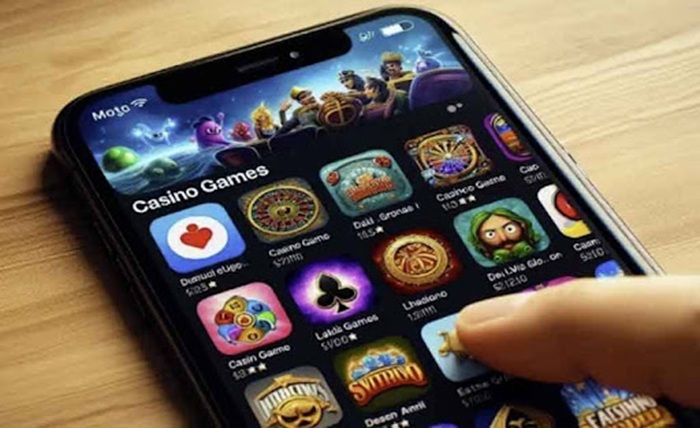
Mobile casino apps have a talent for looking similar. Same neon banners, same “instant wins,” same jackpot confetti. The difference shows up after the first real session, when the app starts asking for documents, the cashier takes its time, or the games suddenly lag the moment a payment is made.
That’s why it helps to look at a real example while thinking it through. If someone is considering a tamasha casino app download apk, the useful question is not “Is it fun?” but “Does it have the features that make it safe, fair, and actually usable day to day?”
A clean onboarding flow
Good apps don’t make users fight the interface just to get started. Registration should be straightforward, and the app should be clear about what comes next.
What “clean onboarding” usually includes:
- Clear sign-up steps with minimal clutter
- Upfront info about KYC and withdrawal requirements
- Transparent terms around bonuses at the moment they’re offered, not buried later
A common trick on weak apps is to keep onboarding friction-free, then introduce a wall of restrictions only when a player tries to withdraw. Reliable apps don’t play that game.
KYC that is predictable, not weaponized
Verification is part of real-money casino life now. It’s used to prevent fraud and keep payments compliant. Fine. The problem is how some platforms handle it, especially when winnings appear.
A solid mobile casino app should make KYC feel like a process, not a punishment:
- Document upload inside the app, using a secure flow
- Clear guidance on what’s accepted and what gets rejected
- Reasonable review times, with status updates that make sense
If KYC becomes an endless loop of “upload again” with no explanation, that’s not a feature. That’s a delay tactic.
The cashier matters more than the game lobby
Most apps are excellent at taking deposits. The serious test is how withdrawals work, how long they take, and whether the rules change depending on mood, bonus status, or the size of the cashout.
What the cashier should show without hiding it
- Supported deposit and withdrawal methods (ideally local options too)
- Minimum and maximum limits
- Expected processing times stated as real ranges
- Fees, if any, clearly spelled out
One useful detail: a good app keeps transaction history readable. Dates, amounts, status changes, and reference IDs should be easy to find. When something goes wrong, that history is the only “receipt” a player has.
Game providers, fairness, and the “black box” problem
A mobile casino app can list 500 games and still be questionable. The key is transparency.
Reliable platforms usually name their game providers and publish basic game information. Players should be able to find rules, paytables, and in many cases RTP (return to player) figures. Not every app displays RTP perfectly, but total silence about game mechanics is a bad sign.
A “black box casino” is one where everything is proprietary, unexplained, and impossible to verify. That’s risky. When money is involved, trust needs something to stand on besides animations.
Live casino features that actually work on mobile
Live dealer games are a different beast. They rely on streaming, stable connections, and decent mobile optimization. When done well, live casino feels smooth and social. When done badly, it’s buffering and frustration.
Useful live casino features include:
- Adjustable stream quality for weaker networks
- Clear table limits and rules visible before joining
- Stable reconnect behavior (so a dropped connection doesn’t turn into chaos)
- Real-time chat controls and moderation
Players should also look for session history in live games, especially for disputes. It’s not glamorous, but it matters when someone claims a bet “didn’t register.”
Bonus features, plus the fine print controls everything
Bonuses are part of the ecosystem. Welcome offers, reloads, cashback, free spins. They can be genuinely valuable, but only when the app explains the rules clearly and enforces them consistently.
Bonus features worth having
- A bonus dashboard showing progress toward wagering requirements
- Clear separation of real money vs bonus money in the wallet
- Transparent restrictions like max bet while clearing bonuses
- Time limits displayed clearly, not hidden in terms
A mobile app that makes bonus status hard to understand is doing something. Whether that “something” is incompetence or strategy depends on the operator, but the result is the same for the player.
Security controls that go beyond a password
A modern casino app should behave like a financial app, because it basically is one. If it stores identity documents and handles cashouts, it needs real security options.
Look for:
- Two-factor authentication (2FA), preferably via authenticator app
- Login alerts when a new device signs in
- Session management (ability to log out of other devices)
- Withdrawal confirmation steps
If support ever asks for an OTP code, a password, or remote access, that’s not support. That’s someone trying to get paid using someone else’s account.
Responsible gaming tools that are easy to find
Some apps bury responsible gaming features in tiny footer links. Better apps bring them into account settings and make them practical.
Key tools include:
- Deposit limits and loss limits
- Session reminders
- Cooling-off periods
- Self-exclusion options
These controls aren’t only for extreme cases. They’re also for keeping entertainment from turning into autopilot spending, which happens more easily on mobile than most people admit.
Performance features that prevent “mystery glitches”
Mobile casino apps are heavy: animations, real-time updates, payment screens, streaming. On mid-range devices and uneven networks, performance matters a lot.
Good apps typically include:
- Fast loading and stable navigation, even on older phones
- Low-data mode or reduced animation settings
- Reliable behavior when switching between Wi-Fi and mobile data
- Crash recovery that doesn’t wipe session progress
An app that constantly logs users out, fails to load games, or freezes during cashier actions isn’t just annoying. It increases risk because users start retrying payments, reinstalling files, and clicking whatever support link pops up first.
Support that answers questions, not just responds
A casino app can look perfect until the first real problem. That’s when support becomes the feature that matters most.
Useful support features:
- Live chat that actually connects to a human within reasonable time
- Clear ticket tracking for email support
- FAQ pages that cover withdrawals, KYC, and bonus rules in plain language
- Support hours and languages clearly stated
A quick test before depositing is simple: ask one specific question about withdrawals or bonus limits. If the answer is vague, scripted, or off-topic, that’s a preview.
Notifications and controls
Push notifications are a double-edged sword. They can be helpful for withdrawal updates and security alerts. They can also be constant bait.
A well-designed app gives users control:
- Separate toggles for promos vs security vs transaction updates
- Quiet hours or notification preferences
- No aggressive popups that hijack the screen mid-session
If an app makes it hard to turn off promotional spam, it’s showing its priorities.
APK-specific features: update path and permission discipline
When an app is distributed via APK, the install channel becomes part of the safety story. Players should expect an official update path, clear version information, and sensible permission requests.
Two things to watch closely:
- Update prompts should lead to the official site, not to random file links.
- Permissions should match function. A casino app does not need SMS access or accessibility services to run games.
Must-have features checklist (quick scan)
- Transparent cashier with clear withdrawal rules
- KYC flow that is explained upfront
- Game rules, providers, and fairness info that can be found easily
- 2FA and basic session security tools
- Responsible gaming controls in account settings
- Support that is reachable and competent
- A clean update process, especially for APK installs
Red flags that rarely end well
- Withdrawal terms are vague or missing entirely
- Verification is easy until a win, then becomes “impossible”
- The app requests strange permissions like SMS or accessibility access
- Bonus rules are confusing and progress tracking is hidden
- Support pushes users into social DMs or asks for OTP codes
- Constant forced updates from unofficial links
The takeaway
The best mobile casino apps don’t just entertain. They explain, they document, they secure, and they pay out on a predictable schedule. Players don’t need to become experts, but they do need to recognize the features that separate a proper product from a flashy trap.
If an app gets the boring parts right, cashier clarity, KYC transparency, security controls, and support, the fun parts tend to follow. If it can’t manage the basics, no amount of glitter in the lobby makes it worth the hassle.