In recent years, digital governance in Karnataka has taken a significant leap forward through platforms like the Seva Sindhu Portal. Designed to centralize citizen services, Seva Sindhu allows users to apply for government schemes, certificates, and benefits while tracking application status online.
However, as digital adoption grows, so does the demand for faster, more convenient ways to stay informed. This is where messaging applications—alongside discussions around options like FM WhatsApp download—have become part of the broader conversation around accessibility and information flow.
The Need for Real-Time Updates
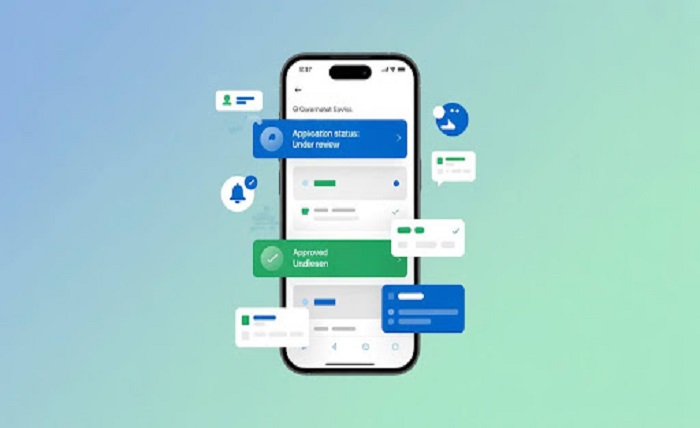
Government portals such as Seva Sindhu are efficient, but they are not always checked frequently by users. Many applicants submit a form and then wait days or weeks for updates. Logging in repeatedly to track status can feel time-consuming, especially for users managing multiple applications or those less comfortable navigating official websites.
Messaging apps, by contrast, are checked multiple times a day. Notifications, message threads, and quick access make them a natural choice for staying updated. People increasingly expect information to come to them, rather than having to search for it. This behavioral shift explains why messaging platforms are often discussed alongside government service tracking.
Familiarity and Ease of Use
One major reason people rely on messaging apps is familiarity. While portals like Seva Sindhu are designed to be user-friendly, they still involve form fields, CAPTCHA checks, and login credentials. Messaging apps, on the other hand, are already part of daily communication habits. Users understand their interfaces instinctively.
Discussions around tools such as FM WhatsApp download often arise in this context, as users explore apps that offer enhanced customization, message organization, or notification control. While these apps are not official government tools, they reflect a broader user preference for flexible and personalized communication environments.
Centralizing Information in One Place
Modern users prefer to manage everything from a single digital space. Messaging apps allow people to keep reminders, screenshots, shared links, and text updates together. For Seva Sindhu applicants, this might include acknowledgment numbers, status messages, deadlines, or instructions received from service centers.
Instead of bookmarking multiple pages or saving emails, users can maintain a simple message thread containing all relevant details. This sense of organization reduces confusion and minimizes the risk of missing important updates related to applications or document verification.
Faster Sharing and Community Support
Another important factor is peer-to-peer information sharing. Many applicants rely on friends, family members, or community groups to understand government processes. Messaging apps make it easy to forward updates, ask questions, or clarify steps informally.
Group chats focused on local services, employment schemes, or documentation processes often discuss Seva Sindhu experiences. Within these spaces, users exchange screenshots, timelines, and tips. Mentions of FM WhatsApp download frequently surface in such discussions, driven by users seeking more control over media sharing or message visibility when handling important information.
Notification Control and Reduced Anxiety
Waiting for government application updates can be stressful. Messaging apps offer more immediate reassurance through notifications and quick checks. Even if the update itself comes from an official source, users prefer being alerted through channels they already trust and monitor closely.
Some users explore modified or alternative messaging apps because they want greater control over notifications, privacy, or message storage. While official portals remain the authoritative source, messaging platforms act as a psychological buffer, reducing uncertainty and making the waiting process feel more manageable.
Bridging the Digital Literacy Gap
Not all users have the same level of comfort with online portals. For individuals who are new to digital services, messaging apps feel less intimidating. They often seek help from more tech-savvy contacts via chat rather than navigating complex interfaces alone.
This behavior does not replace the Seva Sindhu Portal but complements it. Messaging apps become a support layer where users discuss issues, confirm steps, and feel more confident about their applications. The popularity of searches related to FM WhatsApp download reflects how people explore tools they believe might better suit their communication needs.
A Shift Toward User-Centric Information Flow
Ultimately, the use of messaging apps to stay informed about Seva Sindhu application status reflects a broader shift in how people expect digital services to function. Users want timely updates, simple access, and communication that fits seamlessly into their daily routines.
While official portals remain essential for accuracy and security, messaging apps have carved out a parallel role as information companions. They help users stay organized, connected, and informed without constant manual effort. As digital governance evolves, understanding this user behavior is key to improving how public services are experienced in real life.