
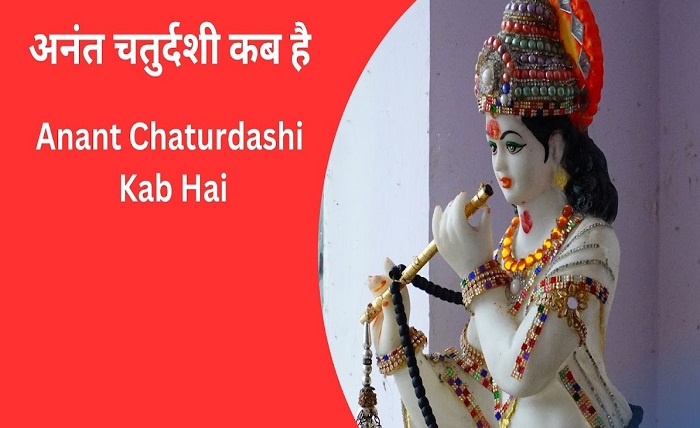
Many people search online for chaudas kab hai to know the exact date, spiritual importance, and rituals associated with this special day in the Hindu calendar. Chaudas, also known as Chaturdashi, is observed on the fourteenth day of the lunar fortnight and holds great religious value in Hindu traditions.
Understanding chaudas kab hai is important because different Chaudas days throughout the year are linked with specific festivals, fasting rituals, and spiritual practices. Some Chaudas occasions are connected with Lord Shiva, while others are celebrated for ancestral rituals and protection from negative energies.
People from different regions often ask chaudas kab hai before important festivals like Narak Chaturdashi, Masik Shivratri, or Kali Chaudas. Each celebration has unique customs and traditions that make the day spiritually significant.
In this complete guide about chaudas kab hai, you will learn about its meaning, cultural importance, rituals, celebrations, benefits, and much more in detail.
Meaning and Importance of Chaudas Kab Hai
The phrase chaudas kab hai refers to asking the date of Chaturdashi, which is the fourteenth lunar day in the Hindu calendar. In Sanskrit, “Chaturdashi” means the fourteenth day of either Krishna Paksha or Shukla Paksha.
The significance of chaudas kab hai depends on the specific month and lunar phase. Different Chaudas days are associated with different deities and traditions in Hinduism.
For example, Narak Chaturdashi is celebrated before Diwali and symbolizes the victory of good over evil. When people search for chaudas kab hai, they often want to prepare for fasting, prayers, temple visits, and family rituals.
Religious followers believe that observing rituals on chaudas kab hai can remove negativity, improve spiritual energy, and bring blessings into life. Many devotees also perform special prayers for health, prosperity, and peace.
Understanding the meaning behind chaudas kab hai helps devotees connect more deeply with spiritual traditions and religious values.
Religious Significance of Chaudas Kab Hai
The religious significance of chaudas kab hai is deeply rooted in Hindu scriptures and spiritual beliefs. Different Chaudas observances are dedicated to various deities, especially Lord Shiva and Goddess Kali.
Masik Shivratri, which occurs every month on Krishna Paksha Chaudas, is one of the most important observances connected with chaudas kab hai. Devotees worship Lord Shiva through fasting, chanting mantras, and offering milk and water to Shiva Lingam.
Kali Chaudas is another important occasion associated with chaudas kab hai, especially in Gujarat and parts of India where Goddess Kali is worshipped for protection against evil forces.
People often search for chaudas kab hai before Diwali because Narak Chaturdashi falls on Chaudas and marks the defeat of demon Narakasura by Lord Krishna.
The spiritual energy connected with chaudas kab hai is believed to help individuals purify their minds and focus on devotion and self-discipline.
Festivals Associated with Chaudas Kab Hai
Several major Hindu festivals are connected with chaudas kab hai, making this lunar day highly important throughout the year.
One of the most popular celebrations linked to chaudas kab hai is Narak Chaturdashi, which is observed during the Diwali festival season. On this day, people wake up early, take ritual baths, light lamps, and celebrate victory over evil.
Another major festival related to chaudas kab hai is Masik Shivratri. Devotees of Lord Shiva observe fasting and spend the night in prayers and meditation.
Kali Chaudas is also celebrated with devotion in many regions. During chaudas kab hai, followers perform rituals for protection, spiritual cleansing, and removal of negative energies.
Anant Chaturdashi is another important occasion connected with chaudas kab hai, especially among devotees who worship Lord Vishnu and celebrate Ganesh Visarjan.
Each festival associated with chaudas kab hai has its own unique customs, traditions, and religious importance.
Rituals and Traditions of Chaudas Kab Hai
The rituals followed on chaudas kab hai vary according to regional traditions and the specific festival being observed.
Many devotees begin chaudas kab hai with an early morning bath considered spiritually purifying. Temples are visited, prayers are offered, and sacred mantras are chanted throughout the day.
Fasting is one of the most common traditions associated with chaudas kab hai. Devotees often avoid grains and consume simple foods while focusing on spiritual practices.
Lighting oil lamps is another important custom during chaudas kab hai, especially before Diwali. Lamps symbolize the victory of light over darkness and positivity over negativity.
Special offerings such as flowers, fruits, sweets, and incense are made during chaudas kab hai rituals. Families also gather together to perform prayers and seek blessings.
In some regions, people perform ancestral rituals during chaudas kab hai to honor departed souls and pray for family prosperity and peace.
Astrological Importance of Chaudas Kab Hai
Astrologically, chaudas kab hai is considered highly powerful in Hindu traditions. The lunar position on Chaturdashi is believed to influence spiritual energy and emotional balance.
Many astrologers suggest meditation and prayer during chaudas kab hai because the lunar phase supports spiritual transformation and inner reflection.
Tantric practices and special spiritual rituals are also associated with chaudas kab hai in certain traditions. Devotees believe that prayers offered during this time can provide protection from negative influences.
People who search for chaudas kab hai often consult Panchang calendars to determine the exact timing and auspicious hours for rituals.
The astrological significance of chaudas kab hai also emphasizes cleansing the mind, avoiding negativity, and focusing on spiritual growth.
How People Celebrate Chaudas Kab Hai
Celebrations connected with chaudas kab hai differ across India and among various communities. However, devotion and spirituality remain the common themes.
On Narak Chaturdashi during chaudas kab hai, families decorate homes with lamps, prepare festive foods, and participate in Diwali celebrations.
During Masik Shivratri associated with chaudas kab hai, devotees stay awake at night singing bhajans and chanting Lord Shiva’s mantras.
In Gujarat, Kali Chaudas celebrations during chaudas kab hai involve special temple visits and rituals dedicated to Goddess Kali.
Children and families often enjoy festive gatherings during chaudas kab hai, especially when it falls close to major celebrations like Diwali.
Social and cultural activities also increase during chaudas kab hai, helping communities strengthen relationships and preserve traditions.
Benefits of Observing Chaudas Kab Hai
Many devotees believe that observing rituals during chaudas kab hai brings spiritual, emotional, and mental benefits.
Fasting during chaudas kab hai is considered beneficial for self-discipline and purification. It encourages devotees to focus on spirituality and positive thinking.
Prayers and meditation on chaudas kab hai are believed to reduce stress, improve concentration, and increase inner peace.
Religious scriptures suggest that devotion during chaudas kab hai can remove obstacles and attract blessings from divine energies.
Families also experience emotional bonding during chaudas kab hai, as rituals and celebrations are often performed together.
The spiritual environment associated with chaudas kab hai helps people reconnect with cultural roots and religious traditions.
Modern Relevance of Chaudas Kab Hai
In modern times, people continue searching for chaudas kab hai online because digital calendars and social media have made festival awareness more accessible.
Younger generations now learn about chaudas kab hai through websites, apps, and online Panchang platforms. This has helped preserve ancient traditions in the digital age.
Even in busy lifestyles, many people still observe rituals during chaudas kab hai because it provides spiritual balance and emotional positivity.
Communities worldwide celebrate festivals linked to chaudas kab hai, helping maintain cultural identity among Indians living abroad.
The continued popularity of searches related to chaudas kab hai shows how strongly traditional festivals remain connected with modern society.
Conclusion
Understanding chaudas kab hai is important for anyone interested in Hindu festivals, spirituality, and traditional practices. Chaudas or Chaturdashi holds deep religious significance and is associated with several important festivals throughout the year.
From Narak Chaturdashi and Kali Chaudas to Masik Shivratri, every observance connected with chaudas kab hai carries unique spiritual meaning and cultural value.
The rituals, fasting, prayers, and celebrations during chaudas kab hai help devotees seek positivity, divine blessings, and spiritual growth.
As traditions continue evolving in the digital age, awareness about chaudas kab hai remains strong among people who wish to stay connected with their faith and cultural heritage.
FAQs
1. What does chaudas kab hai mean?
chaudas kab hai means asking the date of Chaturdashi, the fourteenth lunar day in the Hindu calendar observed during different religious occasions.
2. Why is chaudas kab hai important in Hinduism?
chaudas kab hai is important because Chaturdashi is associated with several major festivals, fasting rituals, and spiritual practices dedicated to different deities.
3. Which festivals are connected with chaudas kab hai?
Festivals related to chaudas kab hai include Narak Chaturdashi, Kali Chaudas, Masik Shivratri, and Anant Chaturdashi.
4. What rituals are performed on chaudas kab hai?
On chaudas kab hai, devotees perform fasting, temple visits, prayers, lighting lamps, meditation, and spiritual cleansing rituals.
5. How can I know the exact date of chaudas kab hai?
You can check Hindu Panchang calendars, festival apps, temple announcements, or online religious websites to know the exact date of chaudas kab hai each month.